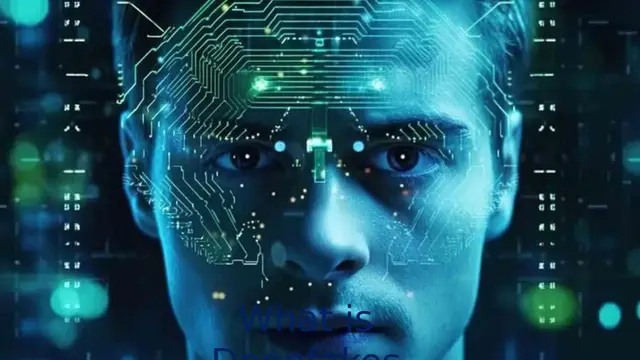
What are Deepfakes?
PPTXAbout this presentation
Advanced AI tech used to create hyper-realistic fake videos and images by altering faces and voices. #Deepfakes #AI #Technology #DigitalManipulation #FutureOfMedia #CyberSecurity
- Category
- Technology
- Uploaded
- Format
- PPTX
Transcript
Open full transcript
What is Deepfakes Introduction: Deepfakes are highly realistic, artificially generated media, often videos or images, that depict people doing or saying things they never did. They are created using advanced artificial intelligence techniques, specifically deep learning algorithms, which can manipulate and synthesize visual and audio content. Source: industrywired.com Developments in AI and Deep Learning: Thanks to the quick development of deep learning algorithms and artificial intelligence, even people with rudimentary technical knowledge can now produce convincing deepfake content. Technology and Tool Accessibility: A greater variety of people can now access deepfake software and tools due to their growing availability. Source: Thenextweb.com Social Media and Digital Platforms: Deepfake content can spread easily thanks to the popularity of social media platforms and digital distribution channels, which increases its impact and reach. Malicious Intent and Misinformation: Deepfakes can be employed for nefarious activities, including disseminating false information, slandering people, or swaying public opinion. Source: youtube.com Entertainment and Creative Expression: The ability to produce deepfake content for creative expression or entertainment purposes adds to their spread, even though it is not intrinsically bad. Source: nextbridge.com Stopping the spread of deepfakes requires a multi-faceted approach: Creating Detection Technologies: It is imperative to make research and development investments in deepfake detection tools and technologies. By assisting in the identification and flagging of possibly fraudulent content, these tools allow users and platforms to take the necessary action. Education and Awareness: Raising people's knowledge about deepfakes, their potential effects, and how to spot them can enable them to assess the media they share and consume critically. Source: makettecheasier.com Policies and Regulations on Social Media Platforms: In order to stop the spread of deepfakes, policies and regulations can be put in place on social media platforms and digital distribution channels. This could involve initiatives for fact- checking, content moderation, and more stringent terms of service enforcement. Source: medium.com Encouraging Media Literacy: Encouraging critical thinking abilities and media literacy can make it easier for people to navigate the digital world and less vulnerable to deception and manipulation, including deepfakes. Source: blogspot.com Legal Frameworks: Creating legal frameworks to deal with the production and propagation of deepfakes can be deterrent and give victims' rights, especially when cases involve malicious intent or harm. Source: Avanade.inc Industry Collaboration: To effectively address the complex challenges posed by deepfakes, collaboration between technology companies, researchers, policymakers, and other stakeholders is essential. Source: indianexpress.com Conclusion: Even though deepfakes are very problematic, there are proactive steps that can be taken to lessen their impact and spread. Staying ahead of this changing threat will require ongoing research, creativity, and cooperation. Source: freepik.com
Comments
View comments
Add a comment