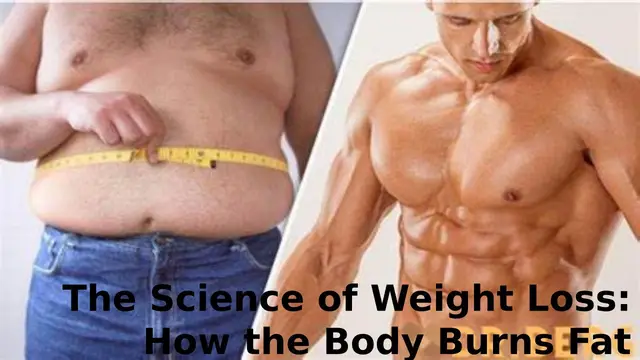
The Science of Weight Loss: How the Body Burns Fat
PPTXAbout this presentation
Discover the science behind how our bodies burn fat and what it means for your fitness journey. Ready to get enlightened? #WeightLossScience #FatBurningFacts
- Category
- Health & Medicine
- Uploaded
- Format
- PPTX
Transcript
Open full transcript
The Science of Weight Loss: How the Body Burns Fat Introduction: Our bodies store excess energy as fat, and when we want to lose weight, we need to understand how to burn that stored fat for fuel. Here's a breakdown of the scientific process behind weight loss Source: drbergblog.com The Role of Calories: Calories are units of energy our bodies use to function. Weight loss occurs when we burn more calories than we consume. Source: body-buildin.com How Fat is Stored: Fat is stored in specialized cells called adipocytes. These cells can shrink or expand depending on our calorie intake and expenditure. Source: triathlete.com The Burning Process - Lipolysis and Beta-Oxidation: Lipolysis: When we need energy and our calorie intake doesn't suffice, hormones like glucagon and epinephrine signal fat cells to release stored fat. This process is called lipolysis. Beta-Oxidation: The released fat molecules, triglycerides, travel through the bloodstream and enter our cells, primarily muscle cells. Inside the cells, a series of Source: warriormade.com reactions called beta-oxidation break down these triglycerides into fatty acids. Energy Production: The broken-down fatty acids then enter the mitochondria, the cell's powerhouse, where they are used to produce energy (ATP) through cellular respiration. Byproducts and Elimination: The byproducts of fat burning include water and carbon dioxide, which are eliminated through sweat, urination, and exhalation. Source: drbergblog.com Factors Affecting Fat Loss: Diet: A calorie deficit created by consuming fewer calories than you burn is essential for fat loss. Exercise: Physical activity, especially cardio and strength training, increases calorie expenditure and promotes fat burning. Source: drbergblog.com Metabolism: Your metabolic rate is the number of calories your body burns at rest. While it can vary between individuals, building muscle mass can slightly increase your metabolism. Hormones: Certain hormones, like insulin, can affect fat storage and burning. Source: strengthauthority.com Remember: Weight loss is a gradual process. Aim for a healthy rate of 1-2 pounds per week. A balanced diet with proper nutrition is crucial for overall health and sustained weight loss. Consult a doctor or registered dietitian for personalized guidance on your weight loss journey. Source: carolinnabodybuilding.com Conclusion: By understanding the science of fat burning, you can make informed choices about diet, exercise, and lifestyle modifications to achieve your weight loss goals in a healthy and sustainable way. Source: hiitacademy.com
Comments
View comments
Add a comment