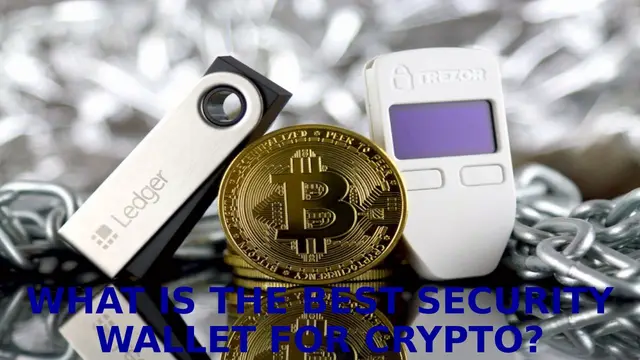
What is the best security wallet for crypto?
PPTXAbout this presentation
Looking for top-notch security for your crypto? Find out which wallet offers the best protection and peace of mind! #CryptoSecurity #TechTips
- Category
- Investors & Funding
- Uploaded
- Format
- PPTX
Transcript
Open full transcript
WHAT IS THE BEST SECURITY WALLET FOR CRYPTO? Introduction: Determining the "best" security wallet for crypto can depend on your specific needs and priorities. Here's a breakdown of two main categories of crypto wallets to help you decide Source: cyberkendra.com Hardware Wallets: Pros: Considered the most secure option for storing cryptocurrency. They typically come in the form of a USB device and offer robust security features like PIN protection and two-factor authentication. Cons: They might require a bit more technical knowledge to set up and use compared to some software wallets. If you lose the hardware device, you could lose access to your crypto if proper backup procedures aren't Source: followed. businesswire.com Ledger Nano S/X: For individuals who would rather use a hardware wallet, Ledger devices (Nano S or Nano X) provide superior security by storing the private keys offsite, out of harm's way. Source: cryptonews.com Trezor Model T: Another popular choice with a touchscreen interface and additional security features like password manager integration. Source: hub.easycrypto.com Software Wallets: Pros: Generally free or low-cost and convenient to use. Software wallets are readily available on various devices like smartphones, computers, or web browsers. They offer easy access to your crypto for transactions and management Cons: Considered less secure than hardware wallets since they are connected to the internet and potentially vulnerable to hacking attempts. The security of your crypto depends on the software provider's security practices. Source: amazon.com MetaMask: A popular option for Ethereum- based tokens and NFTs. It's a browser extension wallet that's convenient for interacting with decentralized applications (dApps). Source: cryptovanatge.com Exodus: A user-friendly wallet with a built- in exchange feature, allowing easy buying and selling of cryptocurrencies within the wallet itself. Source: cryptocoach.com Arculus: This unique cold wallet comes in a hardware card format, providing an alternative to traditional cold wallets1. Source: appleinsider.com Security Features: Look for wallets with strong encryption, PIN protection, and two-factor authentication for added security. Multi-signature wallets: An option for increased security, requiring multiple approvals for transactions. Reputation: Choose a reputable wallet provider with a good track record of security. Your Needs: Consider how you'll be using your crypto. If you plan on holding your crypto for a long time, a hardware wallet might be ideal. If you need frequent access for transactions, a software wallet might be more convenient. Source: fazilpay.com Conclusion: It's crucial to research and choose a wallet that aligns with your security preferences and how you plan to use your cryptocurrency. It's also advisable to never share your private keys or seed phrases with anyone. Source: theface.com
Comments
View comments
Add a comment