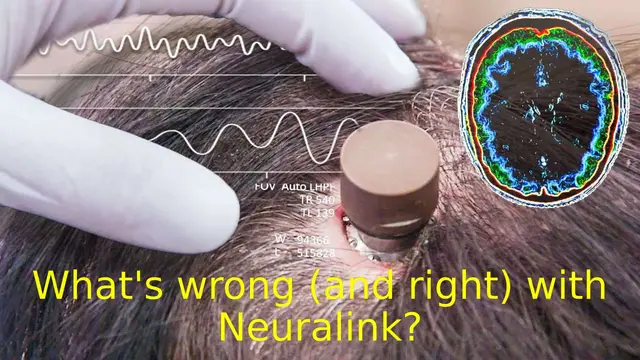
What's wrong and right with Neuralink?
PPTXAbout this presentation
Neuralink: Innovation or Intrusion? Let's explore the pros and cons of Elon Musk's venture into brain-computer interfaces. What's your take? #Neuralink #TechDebate
- Category
- Technology
- Uploaded
- Format
- PPTX
Transcript
Open full transcript
What's wrong (and right) with Neuralink? Introduction: Elon Musk founded Neuralink, a brain-computer interface (BCI) startup that has drawn a lot of attention for its audacious plans to transform human-computer interaction. This is a fair assessment of Neuralink that emphasizes both its advantages and disadvantages. Source: wired.com What's Correct: Cutting Edge Technology: Neuralink is leading the way in the development of BCI. Their implant technology offers new ways to interact with the outside world, potentially improving the lives of those suffering from neurological conditions such as paralysis, blindness, or other conditions. Source: tweak.com Applications in Medicine: Neuralink's technology may help people who have lost their ability to move and speak again. Additionally, it might present novel treatment modalities for neurological conditions like Parkinson's disease and epilepsy. Source: indiamart.com Potential for Human Augmentation: BCIs may eventually improve human abilities by enabling direct brain-to-brain communication, more natural control over prosthetics, and augmented reality experiences. Source: mashable.com What's Not Correct (or Requires Close Examining): Brain-computer interfaces give rise to ethical concerns regarding security, privacy, and possible misuse. Due to the extreme sensitivity of brain data, hacking or unauthorized access could have detrimental effects. Source: 180news.net Animal Testing Issues: Neuralink has come under fire for its use of animals in testing, with some reports posing welfare issues. In animal research, openness and adherence to moral principles are essential. Source: extremetech.com Safety and Long-Term Effects: It is currently unknown what consequences implanting devices in the brain will have down the road. Extensive research is necessary to identify potential risks such as infections, tissue damage, or rejection. Source: thestandnewspoint.com Equity and Accessibility: Neuralink's technology is probably going to be pricey. It is imperative to guarantee fair and equal access to this technology for the individuals who stand to gain the most from it. Source: tech.hindustantimes.com Hype vs. Reality: Although Neuralink has received a lot of media attention, some experts warn that the company may have overstated its capabilities. It's critical to set reasonable deadlines and expectations. Source: blog.mobcoder.com Conclusion: Neuralink's advancements in research and development bode well for BCIs in the future. But it's crucial to address moral issues, guarantee animal welfare, and carry out thorough safety testing. For Neuralink to achieve its potential for good, responsible development, open communication, and cooperation with the scientific community are essential. Source: theguardian.com
Comments
View comments
Add a comment